Many creators feel overwhelmed by original content writing demands, especially when topics feel repetitive and deadlines approach rapidly. These pressures often create emotional fatigue that makes original expression difficult. Readers expect clarity, value, and fresh perspectives, while writers struggle to meet growing expectations.
As the pressure builds, some creators unknowingly drift toward shortcuts that seem harmless at first. Yet these shortcuts often lead to plagiarism, which triggers distrust and damages long-term credibility.
Readers quickly feel disconnected when content sounds borrowed or lacks genuine depth. Brands also suffer because copied ideas weaken identity and authority. Therefore, understanding the deep ethical impact of plagiarism becomes crucial.
Creators must protect trust, originality, and creative integrity to build meaningful and lasting content journeys.
When Familiar Words Reveal An Unfamiliar Problem
Plagiarism involves more than copying sentences. It generally includes borrowing ideas, structures, and concepts without proper acknowledgement.
Many creators mistakenly believe plagiarism concerns only visible copying. However, that’s not the case. Even paraphrasing too closely weakens content integrity. Self-plagiarism, which involves reusing old work with minimal changes, also disrupts authenticity.
Ethical content creation demands transparency and respect for intellectual boundaries. Therefore, creators must understand the full scope of plagiarism before producing meaningful work.
Why Plagiarism Represents A Deep Violation of Creative Ethics?
Creativity depends on honesty, originality, and personal viewpoints. Plagiarism undermines these values because it replaces genuine thinking with borrowed effort. Readers expect sincere expression and insightful perspectives.
In that scenario, copied work breaks that emotional connection.
Additionally, plagiarism disrespects original creators who invested time and imagination into their work. Ethical content creation depends on fairness, truthfulness, and respect for creative labour. So, when plagiarism enters the process, every ethical principle becomes compromised.
Why Readers Dislike Plagiarism More Than Other Unethical Acts?
Readers show a strong aversion to plagiarism because it directly affects their trust and emotional investment. Unlike many unethical acts that remain hidden, plagiarism becomes easily noticeable through repetitive tone or mismatched style.
Readers dislike it for several powerful reasons. Let’s discuss them one by one.
It Breaks The Psychological Contract Between Writer & Reader
Readers expect authenticity because they invest time and attention into understanding content. Plagiarism immediately breaks that contract, leaving them disappointed.
It Makes the Content Feel Hollow & Deceptive
Borrowed sentences lack emotional resonance, especially when they fail to match the surrounding tone. Readers sense the disconnect quickly.
It Feels Like Dishonesty Delivered in A Creative Space
Content creation involves personal expression. When that expression becomes stolen, readers feel misled, making plagiarism deeply offensive.
It Represents Intellectual Theft in A World Built on Ideas
Readers value ideas. Therefore, stealing someone else’s thought feels more personal and unethical than many other questionable practices.
Consequently, plagiarism ranks high among disliked acts because it disrupts emotional integrity, reader trust, and respect for creative ownership.
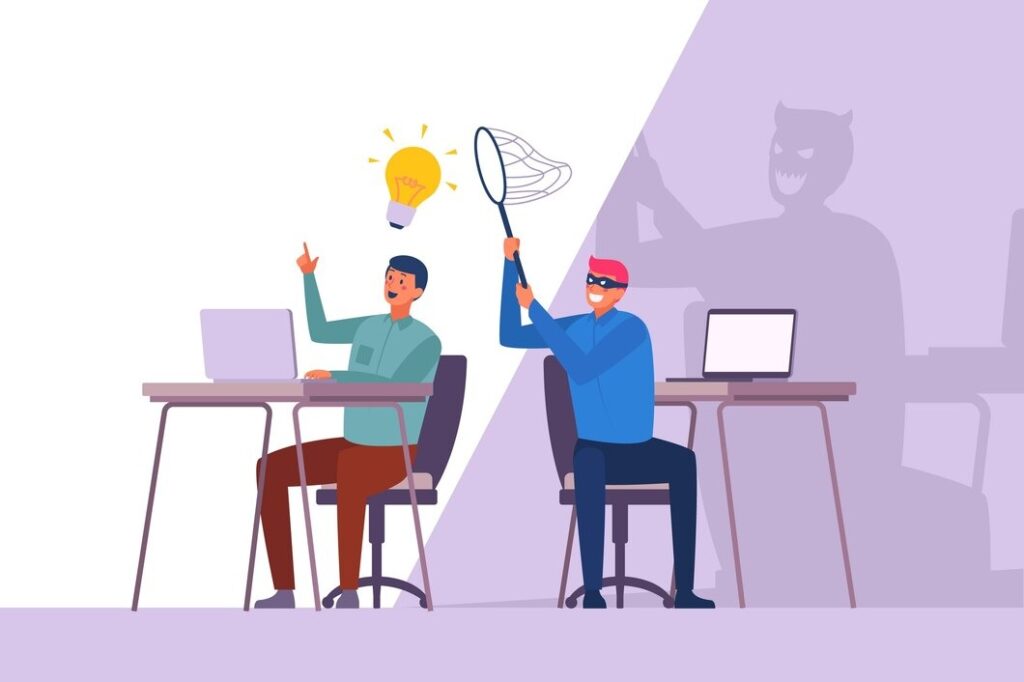
How Plagiarism Damages Core Content Integrity?
Content integrity refers to the honesty, reliability, and originality of written material. Plagiarism destroys that integrity because it introduces deception into the creative process.
So, when the foundation becomes dishonest, the entire message loses meaning. Businesses depend on high-integrity content to maintain authority, especially in competitive industries. Therefore, a single plagiarised sentence can weaken brand confidence and harm long-term credibility.
Hence, maintaining content integrity becomes essential for sustained trust and professional success.
Why Genuine Voices Hold More Power in The Digital World?
Readers engage deeply with content that feels authentic, relatable, and human. They appreciate writing that carries a natural flow and sincere intent. Plagiarised content lacks this authenticity because the borrowed words fail to reflect the creator’s true voice.
Human expression becomes powerful only when it carries emotion, understanding, and lived experience. Therefore, original content writing creates meaningful connections, while plagiarism quickly disconnects audiences.
Why Plagiarism Blocks Creative Growth & Future Potential?
- Original content writing strengthens a creator’s imagination, research ability, and communication skills. Plagiarism eliminates this learning process because it removes the need for exploration.
- Creators who rely on copied ideas weaken their own thinking. Over time, this habit reduces creativity, confidence, and professional independence.
Avoiding plagiarism, therefore, supports continuous growth and long-term creative stability.
Professional Consequences That Escalate Rapidly
Plagiarism leads to serious professional consequences. Brands may immediately cut collaborations once plagiarism appears in any published work. Agencies blacklist writers who show poor content integrity.
Legal risks may follow when copyrighted material is misused. Additionally, plagiarised content weakens portfolios, reduces referrals, and damages industry reputation.
These consequences make plagiarism a dangerous choice for anyone seeking long-term success in content creation.
How Plagiarism Harms Brand Identity & Market Perception?
Brands depend on unique messaging to stand out. On the other hand, plagiarised content dilutes that uniqueness and creates confusion in brand communication.
Customers question the brand’s credibility when they notice copied elements. Competitors gain an advantage because the brand appears unprofessional. Therefore, protecting original content writing becomes essential for consistent brand identity and consumer trust.
Plagiarism And Search Engine Penalties
Search engines prioritise unique, meaningful content. Plagiarism triggers penalties that reduce visibility, search rankings, and domain authority.
Duplicate content affects organic reach and lowers engagement rates. Websites suffer long-term SEO decline when copied material remains unaddressed. Therefore, ethical content creation becomes crucial for strong search engine performance and sustainable growth.
Different Forms of Plagiarism Creators Must Avoid
- Direct Copying: Copying exact content without permission or citation remains the most recognisable form.
- Patchwriting: Changing a few words while keeping the structure intact represents subtle plagiarism.
- Idea Plagiarism: Using another person’s concept without acknowledgement violates ethical boundaries.
- Self-Plagiarism: Reusing personal published content without adding new insights limits originality.
Why Creators Accidentally Slip into Plagiarism?
Many creators experience time pressure, burnout, or creative exhaustion. Some misunderstand ethical guidelines or misuse references. Others lack confidence in their own ideas.
These conditions make plagiarism feel tempting. However, proper planning, mindful writing, and research habits prevent such slips effectively.
Practical Strategies to Avoid Plagiarism Completely
- Research Deeply before Writing
Understanding topics thoroughly helps writers create unique viewpoints rather than mimicking existing ideas.
- Rewrite with Understanding, Not Substitution
Effective paraphrasing requires interpreting ideas fully before rewriting them naturally.
- Use Plagiarism Detection Tools Regularly
Tools identify accidental duplication, helping creators maintain content integrity.
- Write from Notes Instead of Copying Directly
Note-based writing encourages clearer thinking and unique structuring.
- Always Credit Original Ideas & Sources
Acknowledgement shows professionalism and respect toward original creators.
Why Originality Becomes The Strongest Competitive Advantage?
Original content writing creates authority, uniqueness, and emotional resonance. Brands gain loyal audiences when their content feels authentic.
Creators build strong reputations when they produce fresh perspectives consistently. Therefore, originality becomes the foundation for long-term growth, trust, and success in any creative field.
So, if responsible writers want to check the content for any accidental plagiarism, they can simply check their content at Dupli Scanner. It will help them to create plagiarism-free content.
End Note
Plagiarism may look like a quick solution during stressful moments, yet it causes irreversible harm. It breaks trust, weakens content integrity, and disconnects audiences. Ethical content creation offers far greater rewards by encouraging creative honesty and professional respect.
So, when writers embrace originality, they build meaningful work that resonates deeply with readers. Protecting ideas, respecting creators, and maintaining authenticity strengthen every content journey.
Ultimately, creativity grows when integrity remains at its core, making original content writing the most powerful element of impactful content creation.