Smart Website Plagiarism Protection Strategies Website Owners Should Use

Many website owners discover content theft only after noticing sudden drops in rankings or missing credit for their hard work. Their original content appears on unfamiliar sites, copied word for word without permission. This kind of moment often brings frustration because every page demands time, research, and creative effort. Here,a website plagiarism protection can be helpful.
Plagiarism remains a silent threat that grows with every piece published online. However, website owners can protect their digital work by understanding how plagiarism happens and how to stop it early.
This blog by Dupli Scanner explores practical steps that safeguard original content and ensure each page stays unique. With simple methods, reliable tools, and smart publishing habits, website owners can protect their brand value and maintain a strong online credibility.
Why Website Plagiarism Happens And Why It Keeps Growing?
Many websites constantly need fresh content to maintain strong search visibility and attract new readers. However, some platforms ignore quality and steal existing work for quick benefits.
Consequently, original creators suffer ranking issues, lost traffic, and reduced authority. Therefore, understanding the root causes helps website owners prepare better strategies.
How Plagiarism Affects Website Owners in The Long Run?
Plagiarism harms more than search performance. It also damages brand identity, affects domain trust, and weakens industry credibility. Moreover, duplicate content confuses search engines and pushes plagiarised copies ahead of original pages.
As a result, genuine creators lose visibility and potential customers. However, structured protection methods help to protect your website content online and prevent it from such long-term damage.
Install Strong Copyright Notices on Every Page
Website owners should add clear copyright notices across their platforms. These notices remind visitors that each page belongs to the original creator.
Additionally, search engines respect websites that actively enforce ownership rights. Consequently, copyright statements discourage many casual plagiarists and create legal clarity during disputes.
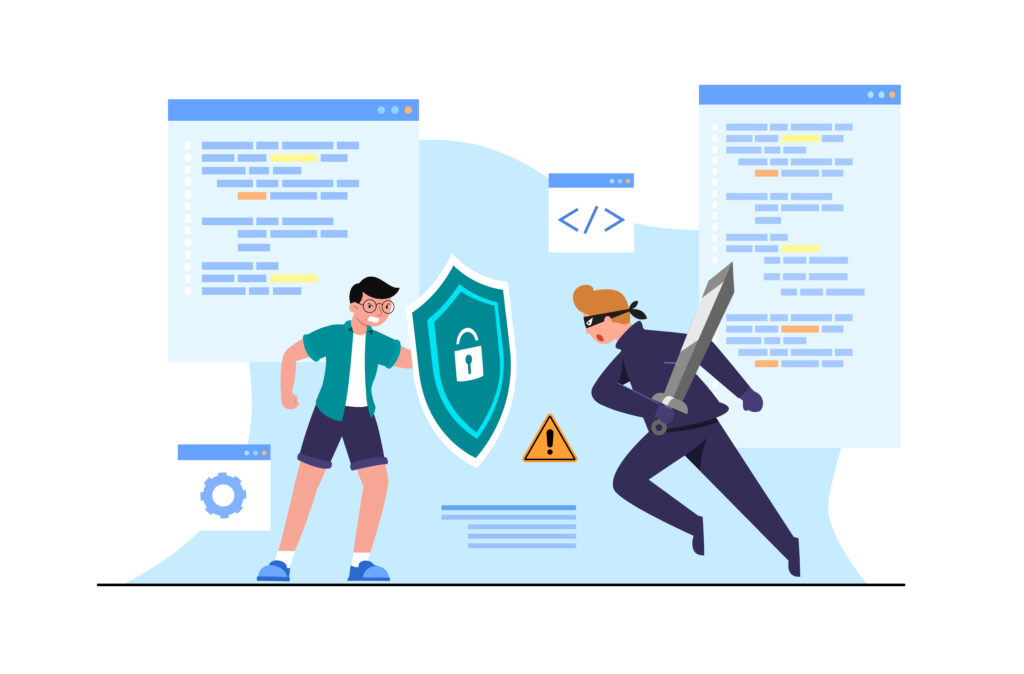
Use Digital Watermarking for Visual Content
Images, infographics, and illustrations face higher plagiarism risks.
Therefore, watermarking remains a necessary strategy. Small branding marks protect visuals without ruining their aesthetics. Additionally, watermarking supports legal claims if someone steals creative assets.
Hence, website owners should watermark high-value graphics, product images, and exclusive visuals.
Monitor Content Regularly with Reliable Plagiarism Tools
Consistent monitoring helps identify plagiarism before it spreads widely. Several tools scan the web and detect copied sections within minutes.
These tools provide detailed reports, including source URLs and matching sentences. Therefore, website owners gain a clear understanding of where their content appears without permission.
Regular weekly scans help website owners maintain control of their content.
Publish Original Content with Strong Topical Depth
Plagiarists prefer short, generic pages because such content is easier to copy and reuse. Therefore, as part of a website plagiarism protection strategy, creating deeper, topic-rich articles reduces plagiarism risks. Additionally, detailed pages with unique examples become harder to replicate manually.
Moreover, topical depth improves search rankings and strengthens a website’s authority.
Use Canonical Tags to Protect Duplicate Versions
Sometimes content appears on multiple pages within the same website. Search engines can better comprehend the primary version thanks to canonical tags.
Therefore, even if someone copies content or multiple versions exist, search engines know which page to value most. Consequently, canonicalization becomes an essential strategy for large or growing websites.
Secure Your Website with Strong Technical Measures
Technical steps add another protective layer. These methods discourage automated content scrapers and bots that copy entire pages.
- Disable Right-Click Copy Actions: This step stops basic users from copying text immediately. Although advanced users can still bypass it, beginners often lose interest.
- Block Bot Access Using Robots.txt: Robots.txt helps restrict automated bots from accessing important sections of the site. Consequently, scrapers face difficulty collecting information.
- Use DMCA Protection Services: DMCA services provide fast takedown assistance when someone steals content. These website plagiarism protection services send legal notices and request immediate removals across platforms.
Keep Metadata Unique to Increase Content Ownership Signals
Meta descriptions, titles, and alt tags help search engines understand content ownership.
Therefore, unique metadata strengthens digital identity and reduces confusion. Additionally, search engines reward websites that consistently maintain originality across all structural elements.
Track Social Media for Unauthorised Content Sharing
Copied content often spreads faster on social media platforms. Therefore, regular monitoring becomes essential. Several tools help track posts containing stolen sections. Moreover, social platforms quickly respond to copyright claims when evidence is provided.
Set Up Alerts for Keyword & Phrase Monitoring
Website owners can set alerts for unique phrases or brand-specific keywords. These alerts notify them when similar text appears online. Consequently, quick action becomes possible, preventing further misuse.
Create A Clear Copyright Policy Page
Many websites operate without a detailed copyright policy. However, such a policy strengthens legal authority and outlines rules for content use. Additionally, it adds professionalism and sets boundaries for visitors. Clear policy pages often discourage many unfair users from copying content.
Respond Quickly When Plagiarism Occurs
Fast action prevents wider damage. Website owners should follow a simple process:
- Take screenshots of the copied page.
- Document the URL and matching sections.
- Use plagiarism reports to protect website content online as proof.
- Send a polite removal request to the offender.
- File a DMCA takedown if no response arrives.
- Notify hosting providers if plagiarism continues.
This straightforward method ensures fair resolution and protects long-term brand credibility.

Use Internal Linking to Strengthen Content Ownership
Internal links create strong structural signals that highlight content hierarchy. Consequently, search engines easily identify original sources. Plagiarised copies rarely replicate such internal structures, making ownership clear.
Encourage Brand Mentions & Reputable Backlinks
When reputable websites reference the original source, search engines trust the primary creator more. Therefore, backlinks indirectly protect content from ranking losses caused by plagiarism. Strong backlink profiles help genuine pages stay ahead of plagiarised copies.
Regularly Update Core Pages to Maintain Authority
Updated content gains higher priority in search results. Therefore, even if someone steals older versions, fresh updates help original pages maintain leadership. Additionally, updated pages appear more credible and prevent ranking dips.
Use Structured Data Markup for Content Identification
Structured data helps search engines interpret content clearly. Consequently, search engines understand authorship, publishing dates, and page entries. This clarity supports copyright claims and prevents confusion when duplicates appear elsewhere.
Why Early Protection Matters for Growing Websites?
New websites often ignore plagiarism during the early stages. However, early protection builds a strong foundation for future growth.
Moreover, new domains face higher risks because their authority remains lower. Therefore, protective strategies support long-term performance and brand recognition.
End Note
Website owners invest significant time and creativity into every published page. Therefore, safeguarding and website plagiarism protection content becomes essential. With the right combination of monitoring tools, technical measures, legal options, and smart writing practices, every website can remain protected.
Although plagiarism continues to grow, proactive steps help maintain originality, protect rankings, and strengthen credibility. Ultimately, consistent protection ensures each website retains its unique voice and valuable digital identity.