A blog goes live after hours of effort. The writing feels polished, the structure looks perfect, and expectations are high. Days pass, yet the page struggles to rank. Traffic remains low, and visibility feels almost nonexistent.
This situation is more common than expected. Many creators unknowingly fall into a silent trap—content duplication. Understanding how search engines detect plagiarism becomes crucial in such scenarios.
Search engines are designed to prioritise originality and value. When content appears copied, even partially, it sends negative signals. As a result, rankings drop, trust declines, and growth slows down.
This blog by Dupli Scanner explores how plagiarism detection works, why it matters, and how it impacts your content strategy in ways many overlook.
The Hidden Problem: When Content Feels Original but Isn’t
Imagine two articles covering the same topic. Both share a similar structure, phrasing, and examples. Even if written independently, they may appear identical to search engines.
This is where the concept of duplicate content SEO comes into play. It doesn’t always mean intentional copying. Sometimes, it happens due to:
- Rewriting without adding new insights
- Using similar sentence structures repeatedly
- Publishing syndicated or reused content
- Copying small sections from multiple sources
While these practices may seem harmless, they can significantly affect how search engines evaluate your content.
How Do Search Engines Actually Detect Plagiarism?
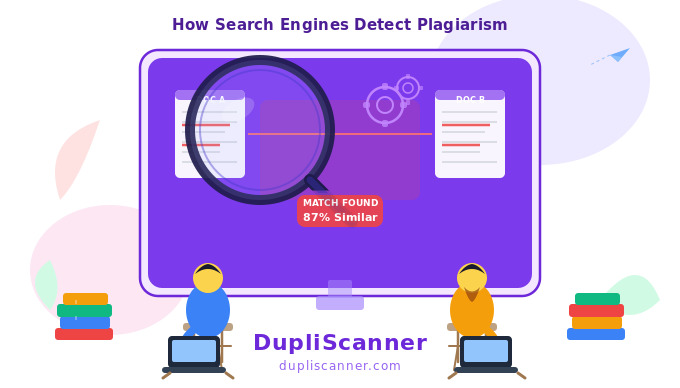
Search engines do not rely on a single method. Instead, they use advanced algorithms to analyse patterns, structure, and meaning.
Text Matching & Pattern Recognition
Search engines scan billions of web pages. When new content is published, it gets compared against existing data.
If large portions of text match previously published content, it raises a red flag. Even slight modifications may go undetected if the structure remains similar.
Semantic Analysis
Modern algorithms go beyond exact matches. They understand context and meaning.
For example, if two articles convey the same idea using slightly different words, search engines can still identify similarities. This makes it harder to bypass detection through simple rewriting.
Content Fingerprinting
Every piece of content has a unique “fingerprint” based on structure, phrasing, and formatting. Search engines use this fingerprint to compare new content with existing pages.
If the fingerprint closely resembles another page, it signals duplication.
Link And Source Tracking
Search engines also analyse how content is distributed. If identical content appears across multiple sites, they determine the original source.
The original version usually gets priority, while duplicates may lose visibility.

Why Plagiarism Matters in The First Place?
The digital landscape has evolved significantly. Content is no longer just about filling pages with keywords. It’s about delivering value, originality, and relevance.
Search engines aim to provide users with the best possible results. Duplicate content disrupts this goal by offering repetitive information.
As a result, search engines actively filter out low-value or duplicated content to maintain quality standards.
What Happens When Search Engines Detect Plagiarism?
The consequences are often subtle but impactful.
Drop in Rankings
One of the first signs is a decline in search rankings. Even well-written content struggles to perform if it lacks originality.
Reduced Visibility
Search engines may choose not to index duplicate pages. This means the content becomes invisible in search results.
Loss of Authority
Websites that frequently publish duplicate content lose credibility over time. This affects overall domain authority.
Lower User Engagement
Readers quickly recognise repetitive content. This leads to higher bounce rates and reduced engagement.
Therefore, understanding how search engines detect plagiarism helps avoid these issues and maintain a strong online presence.
The Story of A Content Strategy Gone Wrong
Consider a growing blog aiming to scale quickly. To speed up publishing, the team starts rewriting existing articles from competitors.
Initially, the strategy seems effective. Content volume increases, and expectations rise. However, over time, rankings begin to drop. Traffic declines, and engagement weakens.
The reason becomes clear: lack of originality. Despite appearing unique, the content fails to provide new value.
This example highlights a critical lesson. Quantity without originality rarely leads to long-term success.
How Duplicate Content Affects SEO Performance?
Well, duplicate content creates confusion for search engines. When multiple pages share similar content, it becomes difficult to determine which one to rank.
This leads to several issues. What are they?
- Keyword cannibalisation across pages
- Diluted ranking signals
- Reduced page authority
- Lower indexing priority
These factors collectively weaken your overall SEO strategy.
Practical Ways to Avoid Plagiarism in Content
Creating original content does not mean starting from scratch every time. It involves adding unique perspectives and value.
Focus on Unique Insights
Instead of repeating existing ideas, explore new angles. Share experiences, case studies, or fresh viewpoints.
Use Proper Research Methods
Research multiple sources, but avoid copying directly. Understand the topic and write in your own voice.
Maintain A Distinct Writing Style
Your writing style acts as a signature. Developing a unique tone reduces the risk of duplication.
Cite Sources When Necessary
If referencing data or quotes, provide proper attribution. This maintains credibility and transparency.
Use Plagiarism Detection Tools
Before publishing, run content through detection tools like. This ensures originality and improves content quality.

The Role of AI in Plagiarism Detection
Artificial intelligence has transformed how search engines analyse content. AI-powered systems can detect subtle similarities that traditional methods might miss.
These systems evaluate:
- Sentence structure
- Writing patterns
- Contextual meaning
- Content flow
As AI continues to evolve, maintaining originality becomes even more important.
Why Original Content Wins in The Long Run?
Original content stands out in a crowded digital space. It attracts readers, builds trust, and improves engagement.
Search engines reward content that offers genuine value. This leads to better rankings, higher visibility, and sustained growth. Hence, investing in originality creates a strong foundation for long-term success.
Building A Content Strategy That Avoids Plagiarism
A successful strategy focuses on quality over quantity.
- Plan Content Thoughtfully: Create a content calendar that prioritises meaningful topics and unique perspectives.
- Encourage Creative Thinking: Allow writers to explore ideas freely. Note, creativity leads to originality.
- Review Content Regularly: Conduct audits to identify duplicate or outdated content. Update or remove it as needed.
- Focus on User Intent: Understand what readers are looking for. Deliver content that answers their questions effectively.
The Future of Content As Well As Search Engines
Search engines are becoming smarter every day. They prioritise authenticity, relevance, and user experience. As algorithms evolve, the importance of originality will only increase. Content creators must adapt by focusing on value-driven strategies.
So, understanding duplicate content SEO is no longer optional. It is a fundamental part of modern content creation.
Final Thoughts
In today’s digital world, originality is more than a creative choice. It is a strategic necessity. Knowing how search engines detect plagiarism helps content creators avoid common pitfalls and build stronger, more effective strategies.
Duplicate content may seem like a shortcut, but it often leads to long-term setbacks. Search engines reward authenticity, making originality the key to success.
To read more insightful blogs like this, follow Dupli Scanner.