The room stayed silent as the cybersecurity analyst watched unusual network traffic patterns unfold in real time. Nothing appeared broken. Systems were running. Users were active. Yet, something felt wrong beneath the surface. A subtle anomaly had triggered the alert, one that traditional monitoring systems would likely ignore.
Across the globe, another system mirrored the same irregularity within milliseconds. No alarms sounded publicly. No visible attack disrupted operations. However, an invisible war had already begun, powered by artificial intelligence and precision-driven cyber tactics.
This is the reality of modern conflict, where cyber warfare and AI no longer rely on brute force alone. Instead, it thrives on intelligence, automation, and silent infiltration. At our platform, Dupli Scanner, we aim to decode such complex narratives, helping readers understand how this invisible battlefield continues to evolve.
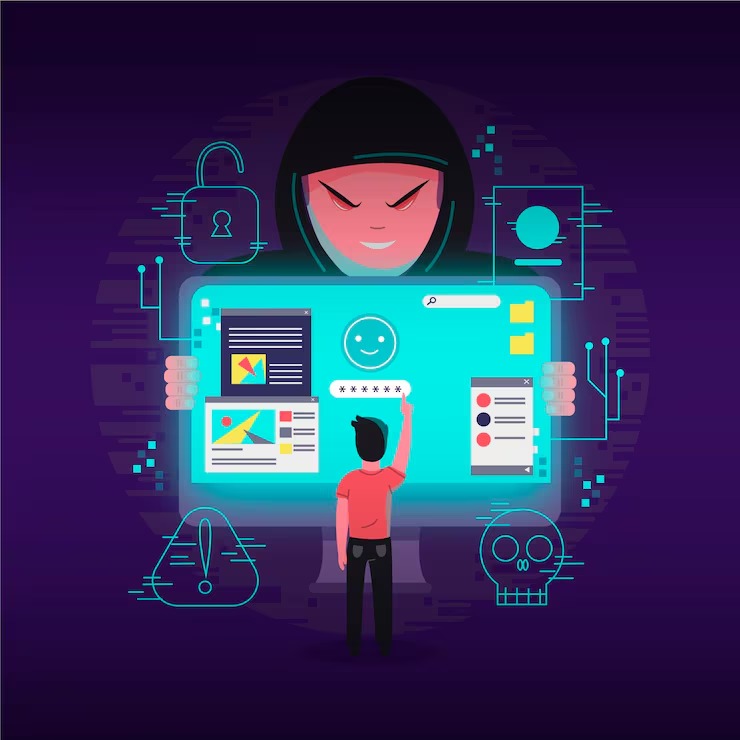
The Shift from Traditional Warfare to Cyber Warfare And AI
Wars were once defined by physical battlegrounds, visible destruction, and strategic military movements. Today, the battlefield exists within servers, data centres, and encrypted communication channels.
Cyber warfare represents a paradigm shift, where nations and organisations deploy sophisticated digital tools to achieve strategic dominance. These operations often remain undetected, making them far more dangerous and unpredictable.
A Quick Insight for You
Cyber warfare involves the use of digital attacks and intelligence systems to disrupt, damage, or control critical infrastructure and data networks.
Unlike conventional warfare, cyber conflicts operate in a grey zone. Attribution becomes difficult, and responses remain complex due to the lack of clear boundaries.
What’s The Role of Artificial Intelligence in Modern Cyber Warfare?
Artificial intelligence has transformed cyber warfare into a highly adaptive and intelligent system of attack and defence. AI algorithms analyse vast datasets, identify vulnerabilities, and execute actions faster than human operators.
In the analyst’s scenario, the anomaly was not random. It was part of an AI-driven reconnaissance effort designed to map network behaviour without triggering alarms.
The Key Applications of AI in Cyber Warfare
- Automated vulnerability scanning and exploitation
- Real-time threat detection using machine learning models
- Behavioural analysis to identify unusual network activities
- Adaptive malware that evolves to bypass security systems
These capabilities make AI a powerful tool for both attackers and defenders, creating a constantly evolving threat landscape. AI enhances cyber warfare by enabling automated attacks, predictive analysis, and real-time adaptation to security measures.
The Rise of Autonomous Cyber Attacks
As the analyst traced the anomaly, a deeper pattern emerged. The system was not being manually controlled. Instead, it was responding dynamically to network defences, adjusting its approach in real time.
This marked the presence of autonomous cyber attacks powered by AI. These attacks operate independently, making decisions based on pre-trained models and live data inputs.
Such systems can:
- Launch multi-vector attacks simultaneously
- Modify attack strategies based on system responses
- Remain dormant until optimal conditions are met
The absence of human intervention makes cyber warfare and AI-led attacks faster, more precise, and significantly harder to detect.
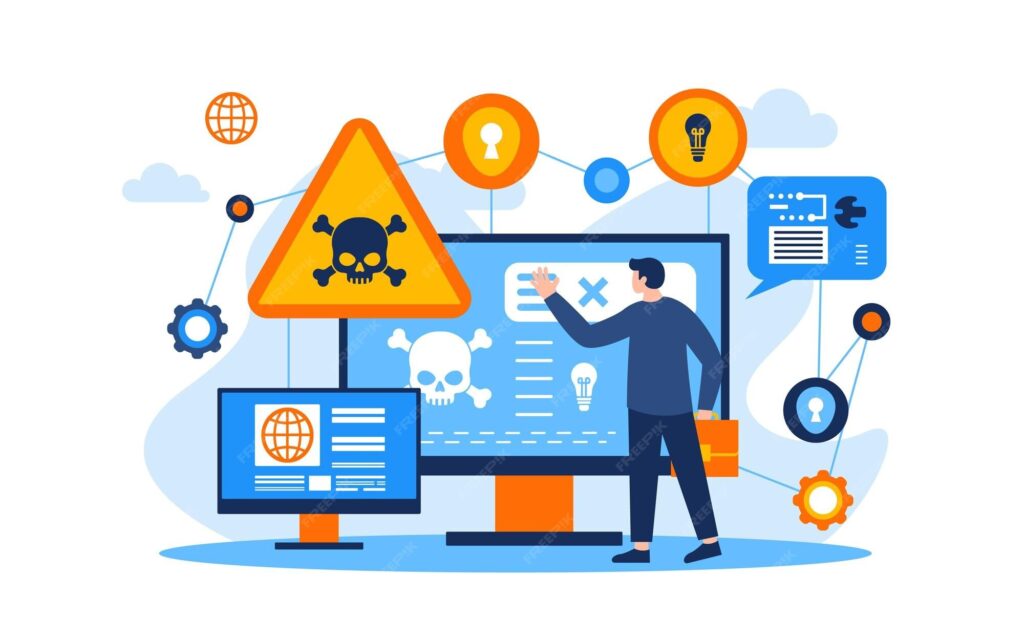
Advanced Persistent Threats (APTs): The Silent Intruders
Weeks passed, and the anomaly remained subtle yet consistent. The analyst realised this was not a one-time event. It was an Advanced Persistent Threat, commonly known as an APT.
APTs are long-term, targeted attacks designed to infiltrate systems and remain undetected for extended periods. They focus on data exfiltration, surveillance, and strategic disruption.
Characteristics of APTs include:
- Stealthy infiltration using zero-day vulnerabilities
- Continuous monitoring of target systems
- Gradual extraction of sensitive data
- Minimal system disruption to avoid detection
These threats represent a new level of cyber warfare, where patience and precision outweigh immediate impact.
Advanced Persistent Threats are long-term cyber attacks that infiltrate systems silently to gather data and maintain control over time.
AI-Powered Defence Mechanisms
While attackers leverage AI for offensive strategies, defenders also use advanced technologies to counter these threats. Cybersecurity systems now integrate machine learning and behavioural analytics to detect anomalies.
In the analyst’s case, it was an AI-driven monitoring system that flagged the unusual traffic pattern. Without such AI in cybersecurity, the threat might have remained unnoticed.
Modern defence strategies include:
- Intrusion detection systems using machine learning
- Predictive analytics to anticipate attack patterns
- Automated incident response mechanisms
- Continuous monitoring of network behaviour
These tools enable organisations to respond faster and more effectively to evolving threats.

Data As The New Strategic Asset
As the investigation deepened, the target became clear. The attack focused on sensitive data repositories rather than system disruption. This reflects a fundamental shift in priorities regarding cyber warfare and AI.
Data has become the most valuable asset in the digital age. Control over information provides strategic advantages in both economic and political domains.
Types of targeted data include:
- Intellectual property and trade secrets
- Financial and transactional records
- Personal and identity-related information
- Government and defence communications
The ability to access, manipulate, or control such data defines the success of modern cyber operations. In cyber warfare, data is the primary target, as it effectively provides strategic, economic, and intelligence advantages.
The Challenge of Attribution in Cyber Warfare
Despite identifying the threat, the analyst faced a critical challenge: determining its origin. Cyber attacks often use complex routing, encryption, and proxy networks to mask their source.
This lack of clear attribution complicates response strategies and international relations. Without definitive proof, retaliation becomes risky and politically sensitive.
AI further enhances this ambiguity by enabling attackers to simulate behaviours and patterns associated with other entities. This tactic, known as false flag operations, adds another layer of complexity.
Ethical & Regulatory Implications
As cyber warfare intensifies, ethical and regulatory concerns continue to grow. The use of AI in offensive operations raises questions about accountability, control, and unintended consequences.
Governments and organisations must navigate:
- The balance between security and privacy
- The ethical use of autonomous systems
- The need for international cyber laws and agreements
However, the rapid pace of technological advancement often outpaces regulatory frameworks, creating gaps in governance.
The Future of Cyber Warfare in An AI-Driven World
The anomaly eventually led to a deeper discovery. It was part of a coordinated global operation targeting multiple sectors simultaneously. This highlighted the scale and sophistication of modern cyber warfare.
Looking ahead, the integration of AI, quantum computing, and advanced encryption technologies will further reshape the landscape. Cyber warfare will become more complex, automated, and difficult to predict.
Emerging trends include:
- AI-driven cyber espionage campaigns
- Integration of quantum-resistant encryption
- Increased use of deep learning in threat detection
- Expansion of cyber warfare into IoT ecosystems
These developments indicate that the invisible battlefield will continue to evolve, demanding constant vigilance and innovation. Future cyber warfare will rely on AI, quantum computing, and advanced analytics to create more complex and adaptive attack strategies.
Why Awareness And Knowledge Matter Nowadays?
For businesses, governments, and individuals, understanding cyber warfare is no longer optional. It is a critical aspect of operating in a digital-first world.
We try to simplify complex cybersecurity concepts. Therefore, by providing clear, insightful content, they help readers stay informed and prepared for emerging threats.
Awareness regarding cyber warfare and AI enables proactive measures, reducing vulnerabilities and strengthening overall resilience against cyber attacks.
End Note
The analyst finally isolated the threat, but the experience left a lasting impression. The attack was silent, intelligent, and nearly invisible. It demonstrated how cyber warfare has evolved into a sophisticated domain driven by artificial intelligence.
Dupli Scanner continues to shed light on such complex topics, helping readers navigate the rapidly changing digital landscape. In the 21st century, the battlefield is no longer visible, yet its impact is profound. Staying informed, prepared, and adaptable is the only way to survive and thrive in this unseen war.