What’s The Significance of A PDF Compressor?
PDF files are everywhere in modern business communication today. They store contracts, proposals, invoices, reports, manuals, and marketing documents. However, large PDF file sizes often create unexpected operational challenges. Emails bounce back, uploads take longer, and systems slow down unnecessarily. In such a scenario, a PDF compressor would be a great help.
Meanwhile, clients expect faster sharing, smoother downloads, and instant access. Large files frustrate recipients and interrupt professional workflows. Internally, teams waste time resizing, resending, or troubleshooting files.
Over time, these delays quietly reduce productivity and efficiency.
This is where a PDF compressor becomes highly relevant. Understanding its purpose helps businesses decide whether it truly delivers value. So, continue reading this blog by Dupli Scanner.

What Is A PDF Compressor, Explained Simply?
A PDF compressor reduces the file size of a PDF document. It does this without altering the document’s content or readability. The goal is to keep quality high while improving performance and accessibility.
Compression works by optimising images, removing redundant data, and restructuring file elements.
As a result, documents become lighter, faster, and easier to manage. This process happens quickly, often within seconds.
For businesses handling frequent document exchanges, this function becomes increasingly important. Smaller files simplify sharing across teams, clients, and digital platforms.
Why PDF File Size Matters More Than Ever?
File size impacts more than just storage space. It directly affects speed, user experience, and system efficiency.
Large PDFs slow down email servers and cloud-sharing platforms. They can also exceed attachment limits, forcing workarounds. These interruptions harm professionalism and workflow continuity.
Additionally, mobile users struggle with heavy files. Slow downloads discourage engagement and create frustration. In competitive environments, small inefficiencies create lasting negative impressions.
Therefore, reducing PDF file size has become a practical necessity, not just a technical concern.
The Key Benefits of Using A PDF Compressor
Faster File Sharing & Delivery
Compressed PDFs upload and download significantly faster. This improves communication speed across teams and external stakeholders. Emails with smaller attachments send successfully without errors.
As a result, document delivery becomes smooth and predictable. Time saved compounds across frequent exchanges.
Improved Storage Management
Large documents quickly consume server and cloud storage. This increases infrastructure and subscription costs over time.
Compressed files allow businesses to store more documents efficiently. They reduce clutter while improving data organisation. Over time, storage optimisation leads to measurable cost savings.
Better Accessibility across Devices
Many documents are accessed on smartphones and tablets. Large PDFs load slowly on mobile devices. This creates poor reading experiences for recipients.
Compressed PDFs open faster and scroll smoothly. They perform better even on slower internet connections. Hence, it improves accessibility for a wider audience.
Enhanced Website Performance for Downloads
Businesses often offer PDFs as downloadable resources. Large files increase page load times and bounce rates.
Using a PDF compressor improves website performance. Faster downloads encourage visitors to engage with content. Search engines also reward better page performance indirectly.
Reduced System Strain & IT Dependency
Heavy files increase strain on internal networks and systems. IT teams spend time resolving transmission and compatibility issues.
With optimised PDFs, systems run more smoothly. Support requests related to file handling have reduced significantly. This allows IT resources to focus on higher-value priorities.
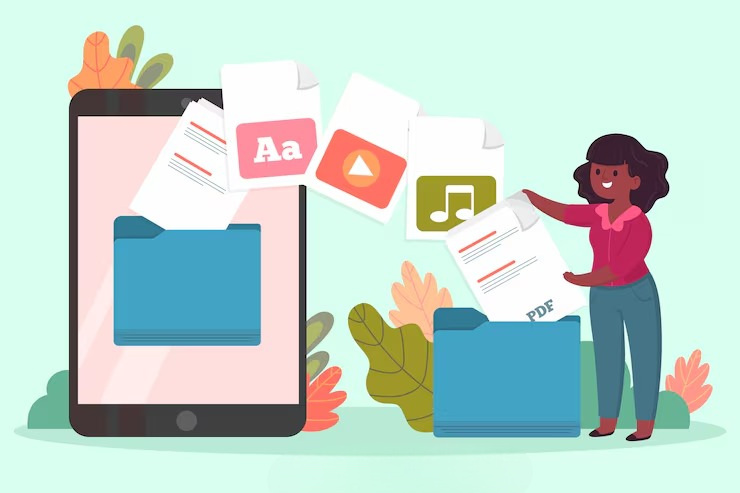
Is PDF Compression Safe for Document Quality?
This concern is common and completely valid. The answer depends on the quality of the compression tool used.
Modern PDF compressors balance size reduction with clarity preservation. Text remains sharp, layouts stay intact, and images retain acceptable quality. In many business cases, visual differences are barely noticeable.
However, professional-grade compressors also offer adjustable compression levels. This allows users to prioritise quality when necessary. For regular business use, compression is generally safe and reliable.
Common Use Cases Where PDF Compression Adds Real Value
Business Communication & Documentation
Sales proposals, reports, and contracts are shared frequently. Compressed PDFs improve turnaround time and communication efficiency.
Clients receive documents easily and respond faster. This supports smoother negotiation and approval processes.
Marketing And Digital Distribution
Ebooks, brochures, and whitepapers are often heavy files. Compressing these assets improves download rates and user engagement. So, consider a tool to reduce PDF file size.
This is especially important for lead generation campaigns. Users are more likely to access lighter, faster-loading resources.
Education & Training Materials
Training manuals and study resources often contain images and graphics. Compression makes these materials easier to distribute digitally.
Students and trainees benefit from faster access. Institutions reduce hosting and bandwidth costs simultaneously.
Legal And Financial Documents
These documents demand accuracy and consistency. Compression helps manage large archives without altering content. Teams can securely share files without compromising readability. So, it improves compliance workflows and document control.
When PDF Compression Might Not Be Ideal?
While compression offers many advantages, it is not always necessary.
- Files destined for high-resolution printing may require original quality. Excessive compression could affect image clarity in print.
- Additionally, already optimised PDFs may not compress further. In such cases, compression provides minimal benefit.
Understanding the document’s purpose helps determine whether compression is appropriate. Balanced usage ensures optimal results without compromise.
How PDF Compression Supports Remote And Hybrid Work?
Remote teams rely heavily on digital document sharing. Large files create friction across distributed workflows. Compressed PDFs reduce dependency on heavy platforms and workarounds. They enable smooth sharing through email, chat, and cloud systems.
This improves collaboration speed and consistency. Remote work environments benefit greatly from optimised document handling.
Choosing The Right PDF Compressor: What to Look For?
Ø A reliable PDF compressor should prioritise security and data integrity. Files should remain private and protected throughout the process.
Ø Quality preservation settings are equally important. Users should control the balance between size and clarity.
Ø Ease of use also matters. Simple interfaces reduce adoption friction across teams.
Ø Compatibility across devices and systems ensures seamless usage. Scalable performance supports growing business needs.
Hence, selecting the right tool maximises long-term value.
Is A PDF Compressor Worth Using for Businesses?
For most organisations, the answer is clearly yes. The benefits outweigh the minimal effort required to compress files.
Cost savings appear through reduced storage, faster workflows, and improved communication. Customer experience improves due to quicker access and smoother interactions. Internally, teams regain time and focus. Moreover, operational efficiency increases without major system changes.
In today’s digitally driven business environment, document optimisation is essential. A PDF compressor supports this goal quietly but effectively.
Final Thoughts
PDF compression may seem like a minor technical task. However, its cumulative impact is significant and measurable.
From faster communication to better system performance, the advantages are clear. Businesses that optimise documents gain efficiency without complexity.
Using a PDF compressor is not just worth it. It’s a smart, practical step toward smoother digital operations. To read such insightful blogs, explore various blogs at Dupli Scanner.