A writer spends hours crafting a blog post, carefully choosing words and organising ideas. Everything seems perfect. Yet, the content fails to engage readers.
Meanwhile, another piece discussing the different types of writing gains attention instantly. Readers stay longer, interact more, and even share it with others. The difference often lies not in the effort invested but in how well the content matches the audience’s expectations, purpose, and preferred writing style.
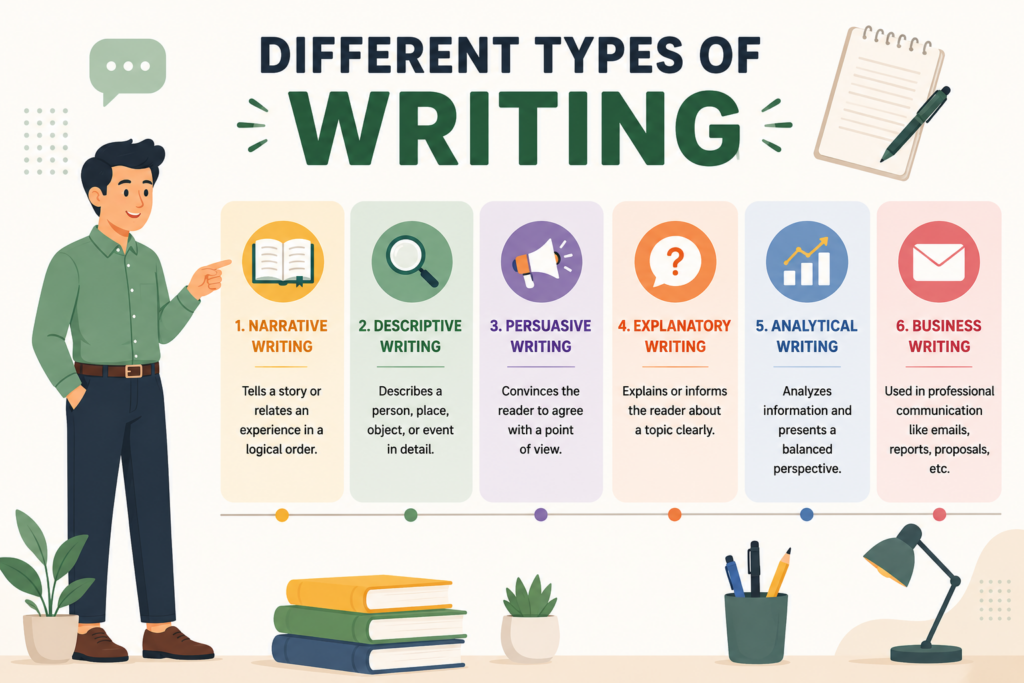
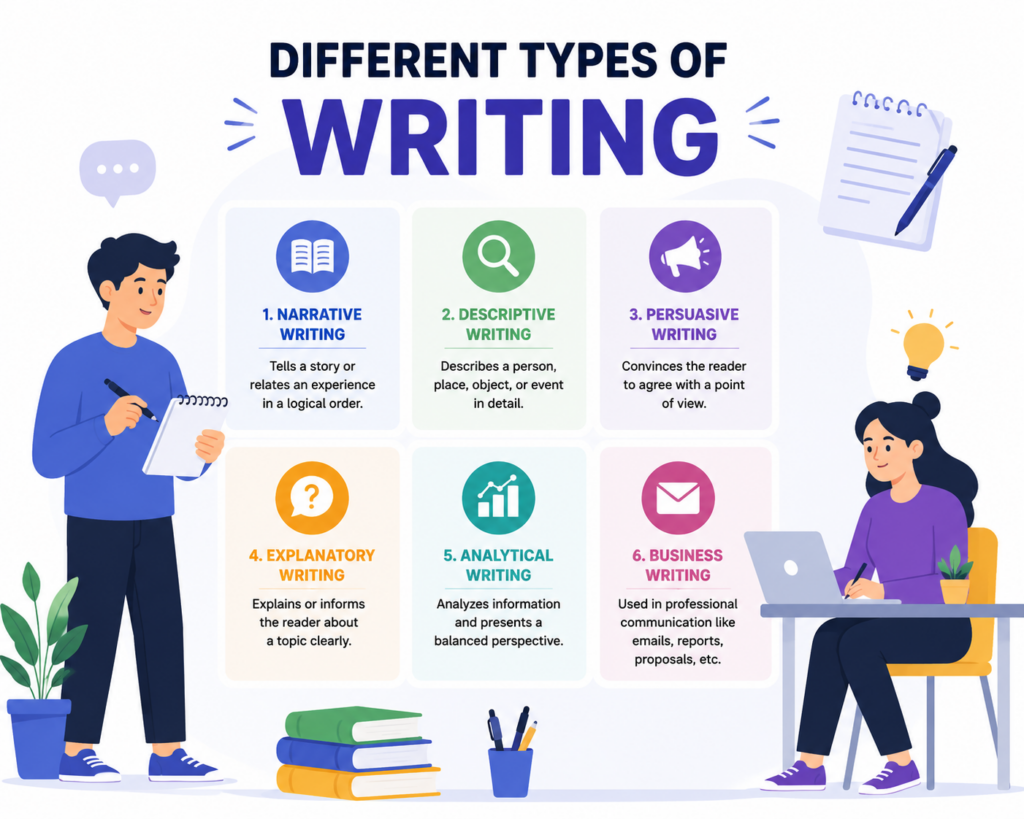
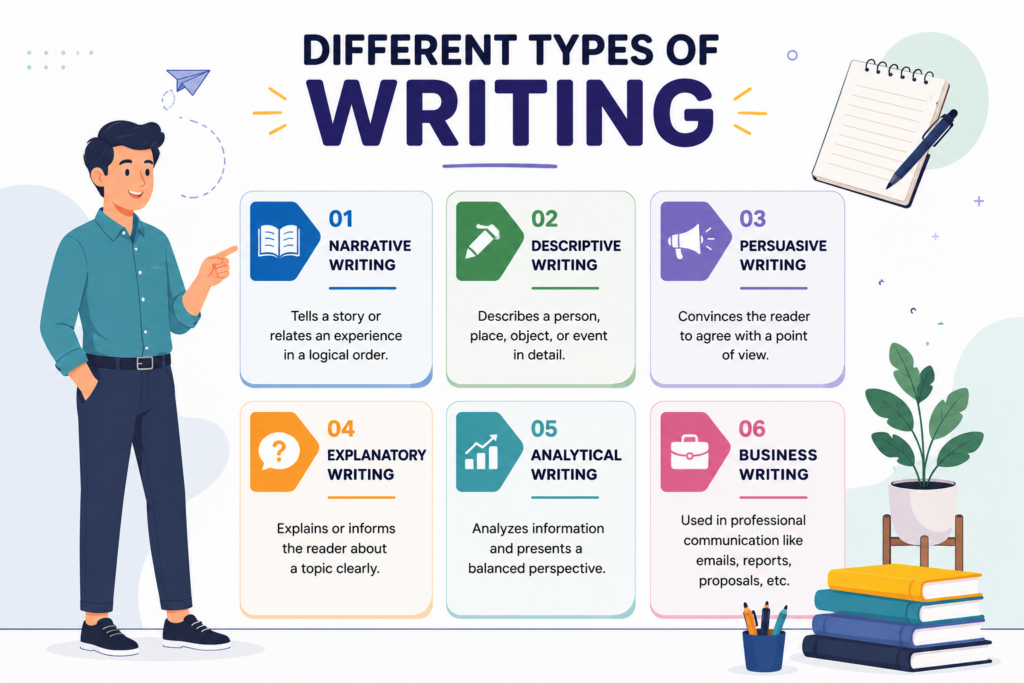
Understanding the different types of writing can help writers create content that resonates with readers, improves engagement, and delivers information in a more effective and compelling way.
What made the difference?
Often, the answer lies in content quality optimisation.
Not every piece of writing works the same way. A technical article demands clarity and precision. A blog thrives on engagement. A business proposal requires authority and trust. Writing without adapting to the format often weakens impact, no matter how good the ideas may be.
This is why understanding how to optimise content for different types of content writing matters more than ever. Strong content is not simply about grammar or length. It is about aligning quality with purpose, audience, and intent.
At Dupli Scanner, discussions around content quality often highlight one truth: great writing adapts to its readers.
Why Does One Writing Style Never Fit Every Purpose?
Imagine speaking to a close friend and a business client in exactly the same tone. The conversation would feel awkward.
Content works in a similar way.
Many writers struggle because they use a single structure or tone across every format. A conversational approach may work beautifully for blogs but feels unprofessional in reports. Similarly, highly formal language may weaken engagement in storytelling content.
Understanding the expectations behind different types of writing helps writers deliver value more effectively.
Some common writing categories include:
- Informative blog content
- Technical writing
- Academic writing
- Marketing copy
- Website content
- Email communication
- Thought leadership articles
Each format serves a unique purpose. Therefore, each demands a different strategy.
What Does High-Quality Content Actually Mean?
Before improving quality, it helps to define it clearly. High-quality content solves problems, maintains clarity, and keeps readers engaged from beginning to end. It delivers information in a way that feels useful, relevant, and trustworthy.
Several elements contribute to stronger writing:
Relevance
Readers expect content to address their specific questions or concerns. Irrelevant information quickly loses attention.
Clarity
Complex ideas become more valuable when explained simply. Clear writing increases comprehension and trust.
Structure
Good formatting improves readability. Headings, paragraphs, and flow make content easier to follow.
Credibility
Well-informed content feels authoritative. Supporting ideas with logic or practical examples strengthens trust. These elements collectively shape successful content quality optimisation.
How to Optimise Blog Writing for Better Engagement?
Blog writing relies heavily on connection and readability. Readers rarely consume blog content word by word. Instead, they scan sections before deciding whether to continue.
For blog content:
Start with A Strong Hook
The opening paragraph matters enormously. Readers decide quickly whether content deserves attention. A relatable scenario, question, or challenge often works best.
Prioritise Storytelling
Stories naturally improve engagement. Even educational content feels more memorable when practical examples appear throughout.
For example, instead of simply explaining poor writing structure, showing how a writer struggles with readability creates an emotional connection.
Use Conversational Language
Readers appreciate content that feels approachable. Formal language can sometimes create unnecessary distance. This approach often supports stronger writing style improvement.
How Does Technical Writing Demand A Different Approach?
Technical writing follows a very different structure.
Readers expect:
- Accuracy
- Precision
- Logical organization
- Minimal ambiguity
Unlike blogs, technical content prioritises clarity over personality.
For example, software instructions should remain direct and actionable. Excess storytelling may distract rather than help.
In technical formats, visual hierarchy matters significantly. Bullet points, numbered instructions, and concise explanations improve usability.
Why Does Website Content Need Stronger Intent Matching?
Website content carries a unique responsibility. It must inform, persuade, and guide readers toward action. Unlike blogs, website visitors often arrive with a goal in mind.
They may want to:
- Compare services
- Learn about products
- Find solutions quickly
Therefore, website writing benefits from:
Clear Messaging
Avoid overcomplicated explanations. Visitors appreciate straightforward information.
Benefit-Oriented Copy
Rather than focusing only on features, highlight outcomes.
For example:
Instead of saying “fast-loading platform,” explain how faster loading improves user experience.
SEO Balance
Keyword integration matters, but excessive repetition damages readability. Good content quality optimisation balances SEO naturally with user experience.
What Makes Educational Writing More Effective?
Educational writing focuses on helping readers learn. However, one common mistake weakens educational content quickly: information overload. Readers absorb ideas better when concepts remain digestible.
Effective educational writing includes:
- Examples for context
- Step-by-step explanations
- Clear transitions between ideas
- Actionable takeaways
This approach improves understanding while keeping engagement levels high.
How Tone Changes Everything
A single message can feel entirely different depending on tone.
Consider these examples:
Formal tone:
“The implementation process requires procedural consistency.”
Conversational tone:
“Following the same process consistently helps everything run more smoothly.”
Both sentences communicate similar ideas. Yet, the emotional response changes completely. Tone should align with audience expectations.
For instance:
- Corporate audiences prefer professionalism
- Lifestyle readers expect relatability
- Educational readers value clarity
Understanding tone contributes greatly to writing style improvement.
Common Mistakes That Lower Content Quality
Even experienced writers make avoidable mistakes.
- Writing Without Understanding Reader Intent: When content ignores audience needs, engagement suffers quickly.
- Overusing Complex Language: Sophisticated vocabulary does not automatically create authority. Often, simplicity performs better.
- Weak Structure: Large text blocks overwhelm readers. Breaking content into clear sections improves readability.
- Keyword Stuffing: SEO matters, but excessive keyword repetition weakens trust and readability. Quality writing integrates keywords naturally.
A Simple Framework for Better Writing across Formats
Writers often overcomplicate optimisation. A simple framework works surprisingly well:
- Step 1: Understand The Reader
Ask: Who is reading this? What problem are they trying to solve?
- Step 2: Match The Format
Blogs, websites, reports, and educational content all require different structures.
- Step 3: Focus on Readability
Use shorter paragraphs, transitions, and clear formatting.
- Step 4: Add Value First
Helpful content consistently outperforms content written purely for rankings.
- Step 5: Edit Ruthlessly
Strong writing usually happens during editing. Removing unnecessary words improves clarity significantly.
Why Content Quality Matters More in The AI Era?
Today, readers consume information differently.
Search engines increasingly prioritise usefulness, trust, and intent satisfaction. AI-driven search platforms also prefer content that answers questions naturally and clearly. This means surface-level writing struggles to compete.
Writers now need to think beyond keywords. They must create content that genuinely educates and engages. This shift makes content quality optimisation more important than ever.
Final Thoughts
Writing effectively across multiple formats requires more than talent. It requires adaptability.
The strongest content aligns with audience expectations, writing goals, and platform requirements. Whether creating blogs, technical guides, or educational articles, understanding the purpose behind the content changes everything.
Improving quality begins with small adjustments—better structure, stronger clarity, and more intentional storytelling. As content standards continue evolving, learning how to optimise for different types of writing becomes a valuable skill for every creator.
For readers exploring smarter ways to improve writing standards and originality, Dupli Scanner continues to offer insights that make the learning process simpler and more practical.