Two writers were given the same topic, the same keywords, and the same deadline. Both researched thoroughly, organised their ideas, and followed every SEO guideline. Yet when readers finished both articles, one was forgotten within minutes while the other stayed in their minds long after they had closed the browser.
The difference was not better grammar or more advanced vocabulary. It was the personality hidden between the sentences. Every writer leaves subtle fingerprints in their work, and those patterns gradually become their writing style.
Nowadays, where AI-generated content is becoming increasingly common, developing a recognisable writing signature is more valuable than ever. At Dupli Scanner, conversations around content quality often go beyond originality scores because memorable writing is built through consistency, authenticity, and thoughtful expression.
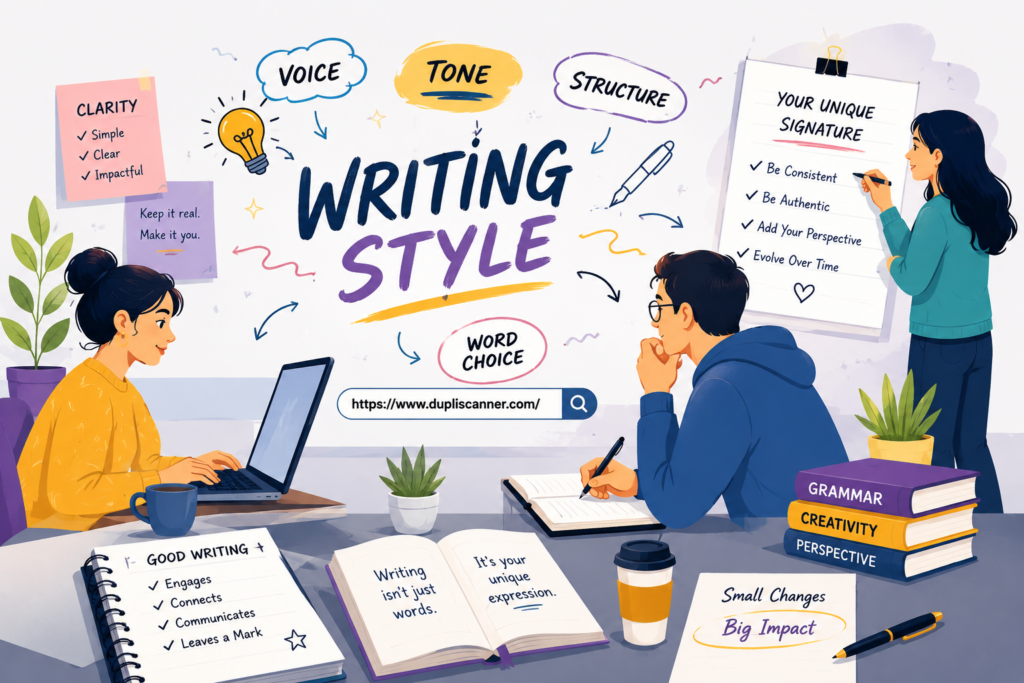
Why Every Great Writer Has A Signature?
Think about your favourite author, blogger, or columnist. Chances are, you can recognise their work without seeing their name.
Some writers create suspense with short, impactful sentences. Others explain complex ideas through relatable stories. Some naturally use humour, while others rely on thoughtful observations. None of these habits appears overnight. They develop gradually through repeated choices that become part of a writer’s identity.
A signature style is rarely created by doing something dramatic. Instead, it grows from hundreds of small decisions. Sentence rhythm, word choice, paragraph flow, transitions, and storytelling techniques quietly work together to create familiarity.
Readers may not consciously notice these patterns, but they remember how the writing made them feel. That emotional connection encourages them to return whenever new content is published.
Why Your Writing Style Matters for A Writer?
The internet is flooded with articles covering almost every imaginable topic. Search engines have become smarter, and readers have become far more selective. Publishing accurate information is no longer enough. Content also needs personality.
A recognisable writing style helps build trust because readers begin associating a certain tone and approach with quality. Whether someone writes technical articles, travel blogs, or marketing content, consistency creates credibility over time.
This is especially important in the age of AI-assisted writing. Many articles now share similar structures and predictable wording. While AI improves efficiency, it can also make content feel repetitive when writers rely on default outputs without adding their own perspective.
A unique writing signature helps content stand apart without sacrificing professional writing or clarity.
Small Changes Often Create The Biggest Difference
Many aspiring writers believe they need extraordinary vocabulary or complicated sentence structures to sound unique. Ironically, the opposite is often true.
The most memorable writing usually feels effortless. Readers move naturally from one paragraph to another without noticing the techniques guiding them.
Developing that smooth experience begins with small adjustments rather than complete reinvention.
Begin with Real Experiences Instead of Definitions
Many articles start by defining the topic immediately.
While this approach is technically correct, it rarely captures attention. Instead, experienced writers often begin with a relatable situation, a surprising observation, or a simple story that mirrors the reader’s own experience.
Stories create curiosity before explanations arrive. They encourage readers to continue because they want to discover what happens next. This storytelling habit has become one of the most valuable content writing tips for creating engaging long-form content.
Let Sentence Length Create Natural Rhythm
Imagine listening to a song played using only one musical note. Even if the melody is technically correct, it quickly becomes monotonous.
Writing behaves similarly.
Paragraphs filled with identical sentence lengths feel mechanical. Readers subconsciously lose interest because every sentence creates the same rhythm.
Skilled writers intentionally vary sentence structure.
A shorter sentence introduces emphasis. Longer sentences provide context, explanation, and detail. This variation keeps readers mentally engaged throughout the article.
Instead of thinking about sentence length individually, think about how several sentences sound together when read aloud.
Natural rhythm almost always improves readability.
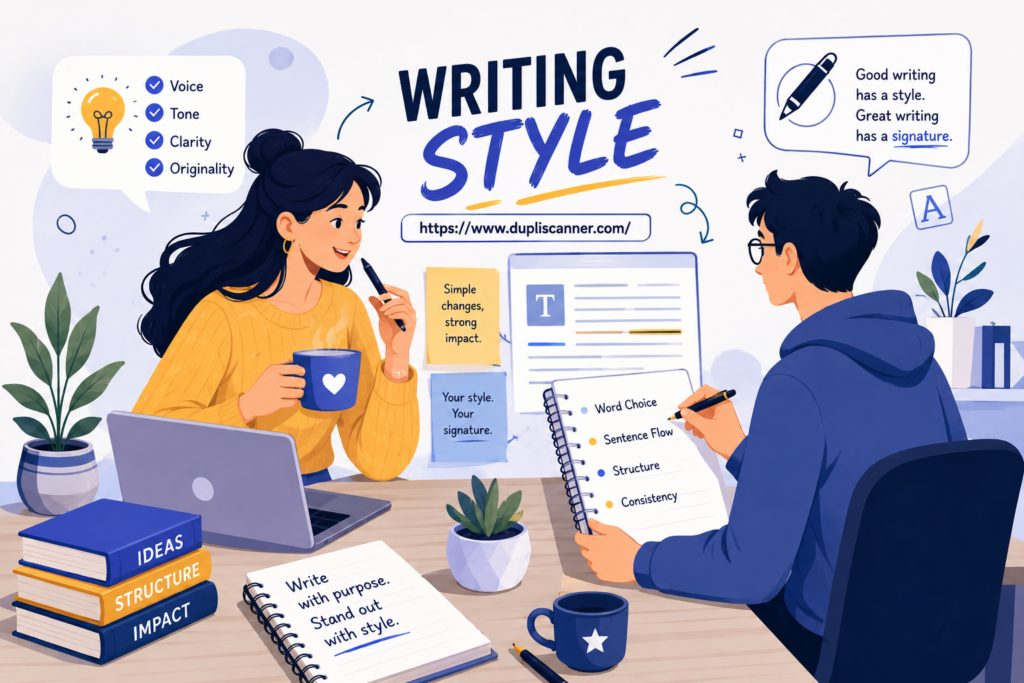
Write Like You’re Explaining Ideas to Someone across The Table
One of the easiest ways to sound authentic is to imagine explaining the topic during a relaxed conversation. Professional writing does not require distant or overly formal language.
It requires clarity.
So, when writers picture a real person reading their work, they naturally replace unnecessary complexity with simpler explanations. This conversational approach makes even technical topics easier to understand without reducing their authority.
Readers appreciate expertise, but they connect with accessibility. The combination of both creates stronger engagement.
Allow Your Personality to Appear Naturally
Many writers worry that showing personality will make their work seem less professional. In reality, personality often becomes the factor readers remember most.
This does not mean adding jokes to every paragraph or constantly sharing personal opinions. Instead, personality appears through subtle choices.
It may be the way examples are introduced.
It may be the questions asked throughout the article.
It may be the calm, reassuring tone used when explaining difficult concepts.
These seemingly minor habits gradually shape a unique writing voice that distinguishes one writer from another. Over time, readers begin recognising those patterns almost instinctively.
That familiarity becomes a competitive advantage, especially in industries where similar information appears across hundreds of websites.
Practical Writing Pattern Changes That Instantly Improve Your Content
Building a memorable writing signature does not require rewriting everything from scratch. Instead, it comes from refining the habits that shape every paragraph. Small adjustments, repeated consistently, gradually transform ordinary content into something readers recognise and appreciate.
One effective habit is replacing generic transitions with meaningful ones. Instead of repeatedly using words like “also,” “moreover,” or “therefore,” consider transitions that naturally guide readers through your thought process. Phrases such as “the interesting part is,” “this becomes even more important when,” or “another overlooked factor” create smoother movement between ideas while adding personality.
Another subtle improvement involves asking questions throughout the article. Rather than presenting every answer immediately, invite readers to think. Questions encourage curiosity and make the content feel more conversational. They also mirror how people naturally process information during real discussions.
Writers should also avoid explaining everything with identical sentence structures. Mixing observations, examples, comparisons, and stories creates variety without confusing readers. This balance keeps attention focused while making the content easier to remember.
Perhaps the most overlooked improvement is learning when not to write. Many first drafts contain unnecessary words that weaken the message. Removing repetitive phrases often strengthens clarity more than adding new information ever could.
These seemingly simple adjustments gradually strengthen your writing style without changing who you are as a writer.
The Habits That Quietly Make Writing Feel Generic
Just as positive habits create originality, certain patterns slowly make writing blend into the crowd.
One common mistake is relying too heavily on templates. Templates provide structure, but following them word for word often produces predictable content. Readers quickly recognise when every article follows the same rhythm, the same transitions, and the same conclusions.
Another habit is overusing industry buzzwords. Words like “innovative,” “cutting-edge,” or “game-changing” appear so frequently that they often lose their impact. Strong writing relies more on specific examples than impressive adjectives.
Many writers also try too hard to sound intelligent. They choose complicated words when simpler ones communicate the same idea more effectively. Professional writing should demonstrate expertise through clarity, not complexity.
Repetition creates another challenge. Sometimes writers unknowingly repeat identical sentence openings or favourite expressions throughout an article. While readers may not consciously identify the repetition, they often sense the lack of variety.
Paying attention to these habits helps preserve a unique writing voice that feels authentic instead of mechanical.
Can AI Help Writers Develop Their Own Style?
This question appears more frequently than ever before.
Artificial intelligence has become an incredible productivity tool. It helps brainstorm ideas, organise outlines, summarise research, and overcome writer’s block. However, AI should support creativity rather than replace it.
The strongest writers use AI as a starting point instead of a finished solution.
They rewrite examples.
They change sentence rhythms.
They introduce personal observations.
They adjust tone according to audience expectations.
Most importantly, they edit every paragraph until it sounds like themselves.
Think of AI as an assistant preparing raw materials. The craftsmanship still belongs to the writer.
This partnership becomes especially valuable when creating long-form content that needs both efficiency and originality.
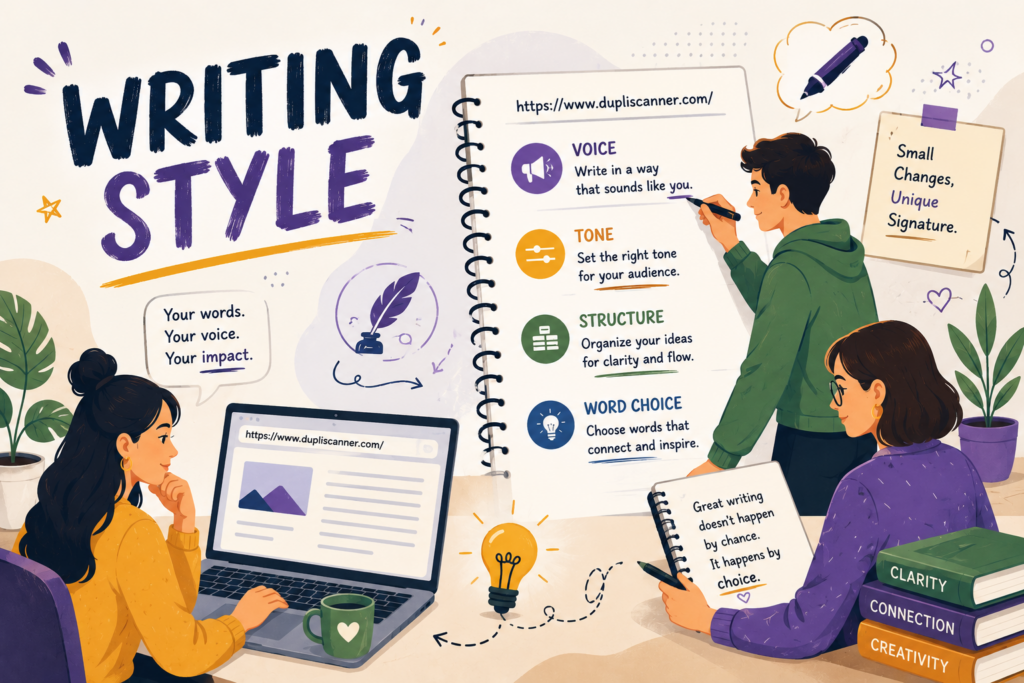
How Dupli Scanner Supports Better Content Creation?
As AI-generated content continues to grow across the internet, originality and authenticity have become increasingly important for writers, businesses, and marketers alike.
We at Dupli Scanner encourage writers to look beyond simply producing more content. Quality comes from thoughtful editing, careful refinement, and maintaining a consistent voice across every article.
Whether someone writes blog posts, website content, academic material, or professional documents, reviewing content before publication helps identify repetitive wording, improve readability, and maintain originality.
Technology continues evolving, but successful content still depends on human judgment. Tools can highlight opportunities for improvement, while a writer remains responsible for creating meaningful experiences for readers.
The combination of intelligent technology and thoughtful writing creates content that performs well in search results while remaining genuinely enjoyable to read.
Finding Your Signature Takes Time
Many new writers become discouraged because they compare themselves with experienced professionals.
What they often overlook is that every respected writer once faced the same uncertainty.
No one discovers their signature overnight.
It develops through repetition.
Through experimentation.
Through rewriting.
Through learning what feels natural and what does not.
Every article teaches something new.
Every editing session sharpens awareness.
Eventually, readers begin recognising patterns before they even notice the author’s name.
That recognition represents one of the greatest achievements any writer can earn.
Final Thoughts
Great writing rarely depends on extraordinary vocabulary or complicated techniques. Instead, it grows from consistent habits that gradually shape how ideas are expressed. Small adjustments in rhythm, storytelling, transitions, and sentence flow eventually become part of a writer’s identity.
Developing a distinctive writing style requires patience, practice, and the willingness to refine every draft rather than settle for the first version. Combined with practical writing tips and a commitment to authenticity, these habits help writers create work that readers genuinely remember.
As content creation continues evolving alongside artificial intelligence, originality will become an even greater advantage. Therefore, by combining thoughtful editing with supportive discussions at Dupli Scanner, writers can build a lasting signature that not only ranks well but also leaves a meaningful impression on every reader.